
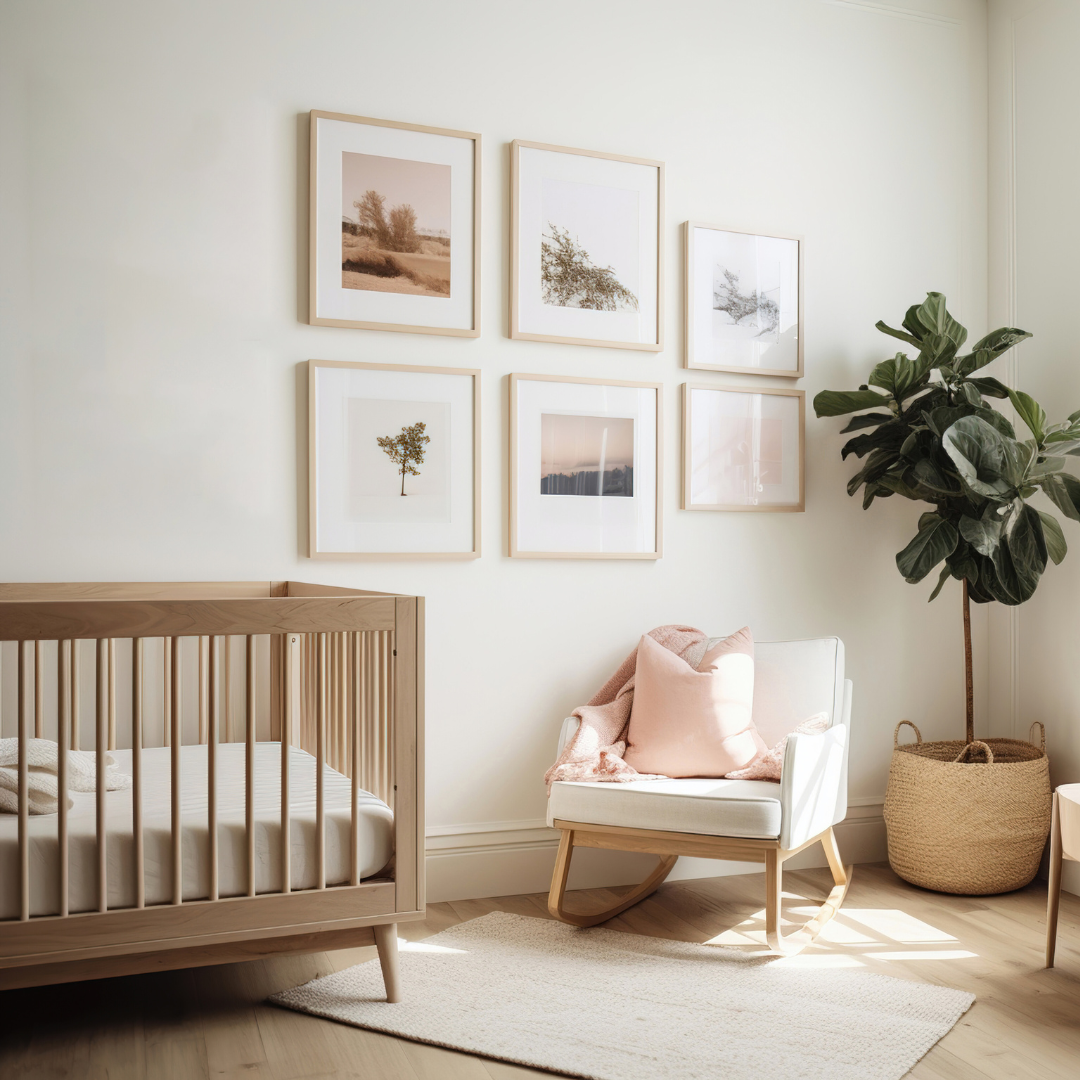
Displaying art at home can transform a space, adding character and personal flair. To showcase art effectively, he or she should consider the size, style, and colour scheme of the artwork in relation to the room’s decor. Thoughtful placement enhances both the artwork and the overall interior design.
Various art display ideas can elevate a home’s aesthetic. Whether opting for a gallery wall, using standalone easels, or integrating art into shelving, each method offers unique benefits. It is essential to consider lighting and the scale of the art to ensure it resonates in the intended space.
Incorporating art into home decor not only reflects individuality but also engages visitors. By selecting pieces that inspire and provoke thought, he or she can create an inviting atmosphere that encourages conversation and enhances the overall mood of the home.
Choosing Art for Your Home
Selecting art for a home involves understanding its impact, creating effective displays, and considering diverse mediums. Each choice influences the overall aesthetic and mood of the space.
Understanding the Impact of Art Pieces
The right art piece can transform a room. It can evoke emotions, spark conversations, or simply enhance a space.
Consider the following aspects:
- Size: A large piece can serve as a focal point, while smaller pieces can complement existing décor.
- Colour: Choose colours that harmonise with your surroundings. Bold colours can energise, while softer shades evoke calm.
- Theme: Align artworks with personal interests or the home’s style, whether modern, vintage, or eclectic.
Art pieces should resonate personally while harmonising with other elements in the room.
Creating a Gallery Wall
A gallery wall is a dynamic way to showcase multiple art pieces. This arrangement can reflect individual style and create visual interest.
When creating a gallery wall, keep these tips in mind:
- Layout: Arrange pieces in a grid or an eclectic pattern. Use painter’s tape to visualise the layout before hanging.
- Frame Styles: Vary the frame sizes and styles for depth. A mix of frames can add character, while uniform frames create a cohesive look.
- Spacing: Maintain consistent spacing between pieces. Generally, 5–10 cm (2–4 inches) works well.
Incorporating various art forms fosters engagement and adds personal touches to the home.
Considering Mixed Media Displays
Mixed media displays include items such as paintings, sculptures, and textiles. Such combinations can enrich a space and provide a diverse sensory experience.
Key considerations for mixed media include:
- Contrast: Combine different textures and mediums to create intrigue. A textured textile can complement a smooth painting.
- Thematic Cohesion: Ensure that different pieces share a common theme or colour palette.
- Placement: Position displays thoughtfully. Consider viewing angles and lighting to enhance visual impact.
Mixed media collections can tell a story and reflect personal taste, making them a unique home feature.
Display Techniques
Effective display techniques can enhance the visual appeal of artwork within a home. The right methods can elevate a space and highlight the unique characteristics of each piece.
Hanging Techniques for Artwork
Hanging artwork properly can make a significant difference in its impact. The ideal height is typically eye level, around 1.5 metres from the floor. This ensures that viewers engage with the art comfortably.
Consider utilising a spirit level during installation to maintain straight lines. Incorporating a mix of frame styles and sizes can create visual interest. Use picture hooks or wall anchors to securely support heavier pieces.
Spacing is also crucial; typically, 5 to 10 centimetres between artworks is recommended. This creates a cohesive look. Grouping similar styles or themes can enhance the overall aesthetic of a room.
Utilising Picture Ledges
Picture ledges offer flexibility in display while allowing easy rotation of artwork. They can be installed at various heights to suit the room’s layout. This approach enables individuals to change pieces frequently without leaving marks on the walls.
When arranging pieces on a ledge, start with larger items and layer smaller ones in front. This method adds depth and interest. Incorporating plants or decorative objects can also enhance the display.
Ensure that ledges are stable and positioned securely. They work well in hallways, living rooms, or even kitchens, adapting the space to personal taste without permanent alterations.
Creating a Dynamic Art Collection Display
A dynamic art collection display attracts attention and encourages exploration. Consider a gallery wall, which features multiple artworks in varied arrangements. This technique allows for creativity and expression, offering a personal touch.
Begin by choosing a focal point, then build around it. Use a mix of frame styles, colours, and sizes to create visual excitement. Lay out the arrangement on the floor before committing to the wall.
Incorporating lighting, such as picture lights, can enhance the presentation. Proper illumination highlights details and creates an atmosphere. A dynamic display transforms a simple wall into an engaging art showcase.
Lighting Your Art
Proper lighting can significantly enhance the display of art at home, highlighting details and creating an inviting atmosphere. Selecting the right lighting and strategically installing it can transform how artwork is perceived in a space.
Choosing the Right Lighting
When selecting lighting for art, it’s essential to consider the type of artwork being displayed. Different pieces may require different lighting methods.
- Track Lighting: This offers flexibility, allowing the focus to be adjusted to various artworks.
- Picture Lights: These are specially designed to illuminate framed art and can be mounted above or on the frame.
- Recessed Lighting: Great for achieving a clean look, recessed lights can be directed towards the art.
The colour temperature of the bulbs is crucial as well. Warmer tones (2700K-3000K) are suitable for paintings, while cooler tones (4000K-5000K) work well for modern or minimalist art.
Installing Artwork Lighting
Placement is key when installing lighting for art displays. Lights should be positioned to avoid glare while ensuring even illumination.
- Height: Lights should typically be installed 7-9 feet from the floor to effectively highlight the artwork without harsh shadows.
- Angle: Aim for a 30-degree angle to the artwork to create depth and dimension.
Consider using dimmable fixtures to adjust the brightness based on the time of day or mood. For a cohesive look, maintain a consistent style throughout the lighting in the room.
By paying attention to these specifics, the art can be showcased to its best advantage.